

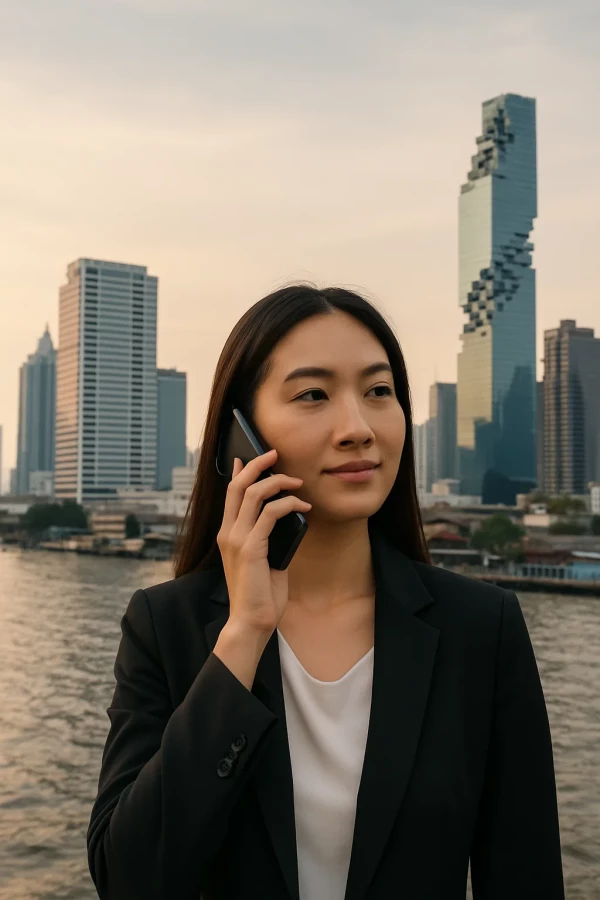
Buying Property in Thailand to Rent for Profit: What You Should Know
Buying Property in Thailand to Rent for Profit: What You Should Know
Disclaimer: This article is not financial or legal advice. It is a guide offering practical considerations and key insights when buying property in Thailand — particularly for those thinking about renting it out for income.
The idea of owning property abroad has a strong appeal. For some, it’s about securing a future retirement home. For others, it’s the opportunity to have a family holiday base or generate steady rental income in a popular tourist destination. Thailand has long attracted foreign interest thanks to its tropical climate, stunning landscapes, welcoming culture, and relatively low cost of living. Yet, while it may sound simple to buy a home in paradise, the process comes with unique challenges—especially for foreigners. Understanding the legal landscape, ownership limitations, and practical risks is essential before making a purchase.
Thai law restricts foreign ownership of land. Foreigners are not permitted to own land outright, although they can lease land for up to 30 years (with potential for renewal) or set up a Thai-registered company for ownership under strict conditions. What is allowed, however, is the purchase of freehold condominium units, provided that foreign ownership in a given development does not exceed 49 percent of the total floor area. This makes condos the most straightforward and legally sound path for foreign property buyers.
These restrictions apply across the board, regardless of nationality, though the context can vary. U.S. citizens, for example, enjoy some business advantages through the Treaty of Amity, which permits majority foreign ownership in specific sectors, but that treaty does not extend to real estate ownership. EU citizens are in a similar position, with no special bilateral agreements. Canadians, too, must follow the same procedures, though many are active in Thailand’s retirement and investment markets due to familiarity, climate, and favorable exchange rates. Japanese and South Korean citizens make up large parts of the foreign property-owning community, particularly in Bangkok and Pattaya, where established expat infrastructure exists, but their legal rights around property remain the same as other foreigners. Chinese nationals have become the largest group of foreign buyers in Thailand in recent years, especially in areas like Chiang Mai, Phuket, and Pattaya. They tend to invest in pre-construction condos marketed specifically for the Chinese market. Indian citizens are another growing segment of foreign buyers, particularly interested in urban and coastal locations. As Thailand strengthens tourism and economic ties with India, property interest continues to rise, though the legal framework remains unchanged—condos are allowed, land is not.
Once buyers understand the legal landscape, the next challenge is finding the right property. Motivation plays a major role. Someone looking for a place to retire may prioritize comfort and lifestyle over short-term rental yields. An investor, by contrast, will likely look for high-traffic tourist areas or fast-growing neighborhoods. A holiday home buyer may want something easily accessible from the airport and near leisure attractions, but still rentable during vacant periods.
Searching for a property in Thailand can be done independently, especially with the number of online listing platforms now available. However, working with a licensed, well-reviewed real estate agent can make the process smoother, particularly for foreigners unfamiliar with the market. A good agent can help identify properties with strong rental demand, assist with legal checks, and coordinate with lawyers and notaries. That said, not all agents are equal—some work solely with specific developers or push overpriced or poorly managed properties, so it’s important to ask questions and check references.
Location is key when buying in Thailand. Prime property in Bangkok, particularly in Sukhumvit, Sathorn, or Silom, comes at a premium but offers strong long-term demand due to its centrality, infrastructure, and appeal to working professionals and expats. Phuket is known for luxury villas and resorts, especially in areas like Patong and Kamala, where short-term rentals are highly profitable. Koh Samui and Krabi cater more to boutique buyers and retirees seeking peace, but they too have healthy rental potential. On the other hand, more affordable opportunities exist in less saturated areas like Chiang Rai or parts of the Isaan region, where prices are lower and markets are still developing. These areas may not offer high returns right away but could grow in value over time, particularly with the rise of domestic tourism and expanding infrastructure.
Despite all the potential, buying property in Thailand is not without its risks. One of the most common mistakes foreigners make is relying on verbal promises—whether from sellers, agents, or developers. In Thailand, only registered, written contracts have legal standing. Every term—purchase price, handover timeline, rental arrangements—must be clearly documented and preferably reviewed by a Thai lawyer who works independently of the seller or developer.
Title deed issues are another red flag. The gold standard is a Chanote title, which provides full land ownership rights and allows the property to be sold or leased without restriction. Some properties are offered with lower-grade deeds like Nor Sor 3 or Por Bor Tor 5, which may indicate unresolved land boundaries or unregistered ownership. These are best avoided unless you're deeply familiar with Thai land law and working with legal counsel.
Scams, sadly, are not uncommon. One popular tactic is misrepresenting leasehold properties as “ownership” or using Thai nominee arrangements to skirt land ownership laws. While some foreigners attempt to set up Thai companies to buy land, doing so improperly is illegal—and Thai authorities have become increasingly strict about enforcing these rules. Buying off-plan (under construction) also carries risk, particularly if the developer lacks a strong track record. Delays, financial instability, or outright abandonment of the project can and do occur.
To protect yourself, it’s crucial to work with professionals. A qualified Thai real estate lawyer can perform due diligence on the title, check construction permits, and review contracts. Avoid making large payments directly to sellers without using escrow accounts, and always request proof of permits, licenses, and registration documents. Be cautious with rental guarantees, especially those that promise high returns with little effort—they’re often inflated to attract buyers and rarely hold up in practice.
Buying property in Thailand can be a smart move when done carefully. Condominiums provide a legal and manageable route for foreign ownership, and there are opportunities to generate rental income in both tourist-heavy and emerging regions. Still, every step—from legal compliance to understanding market dynamics—requires attention, patience, and often professional support.
For those willing to approach the process carefully and avoid shortcuts, Thailand offers not only lifestyle benefits but also potential financial rewards. Whether you're investing for retirement, family use, or rental yield, success in the Thai property market comes down to doing your homework, choosing the right advisors, and respecting the country's laws and cultural nuances.
FarHut